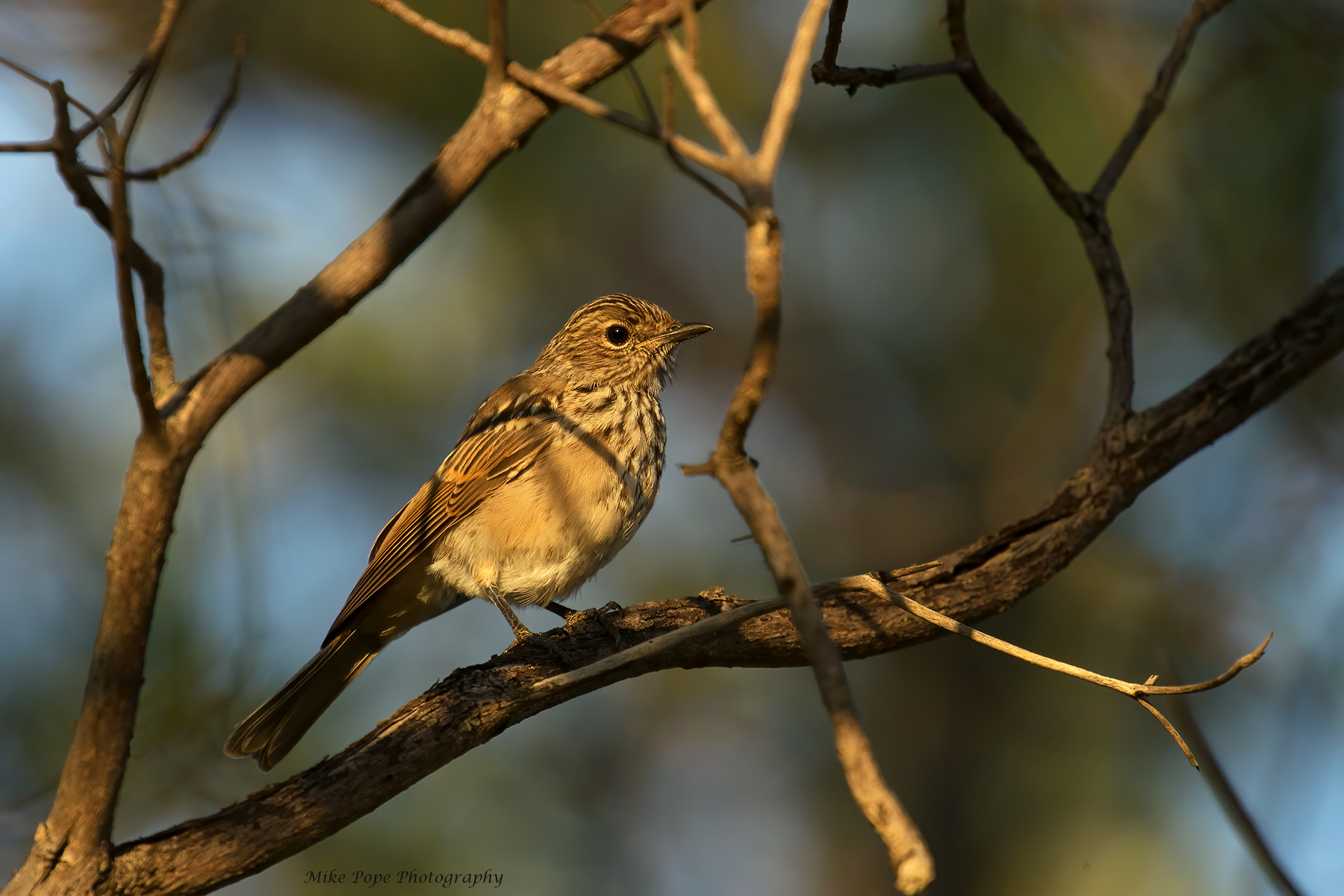
25-28 February 2022 - Matamba Bush Campsite
We had enjoyed our previous camping trip to Matamba and returned again in late summer to enjoy the peaceful and spacious camping experience with our family, but this time staying for an extra night - which made all the difference.
My family left early on the Friday morning, so when I arrived at 5:30pm the camp was already setup, all that remained was to open the rooftop tent and awning on my son's Jimny and we were ready for a few cold ones around the fire.
As with the previous visit, I had early morning walks around the reserve (no vehicles are allowed to drive around) and also enjoyed the birding in and around our campsite. Morning's were pleasant, but the temp did ratchet up during the day - so we were appreciative of the small pool to cool down in.
Birds seen in and around the camp included; Black Flycatcher
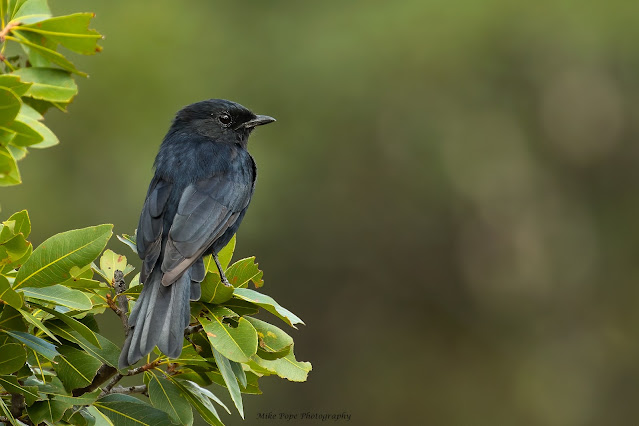 |
| Southern Black Flycatcher (Melaenornis pammelaina) |
An obliging pair of Chat Flycatcher's along with a couple of juveniles
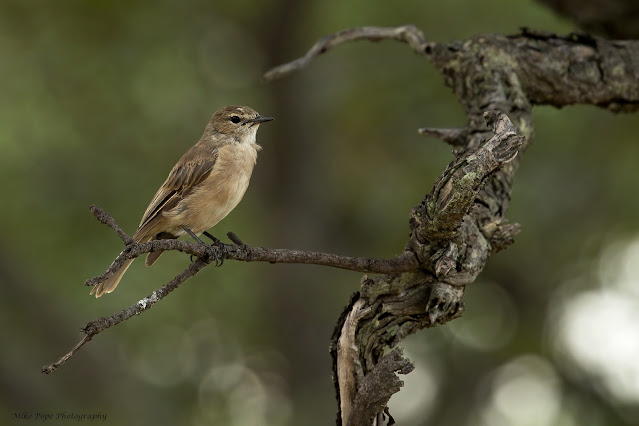 |
| Adult Chat Flycatcher (Melaenornis infuscatus) |
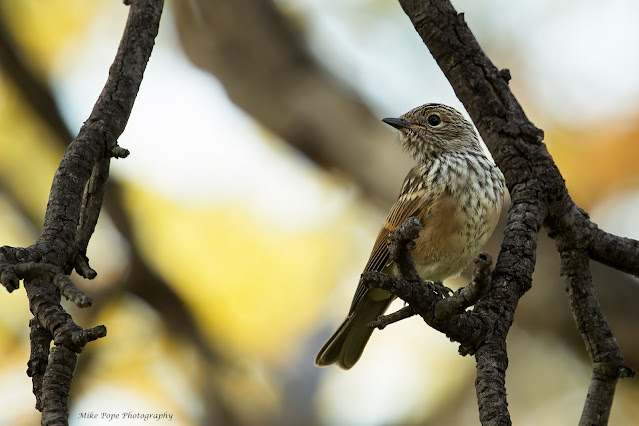 |
| Juvenile Chat Flycatcher (Melaenornis infuscatus) |
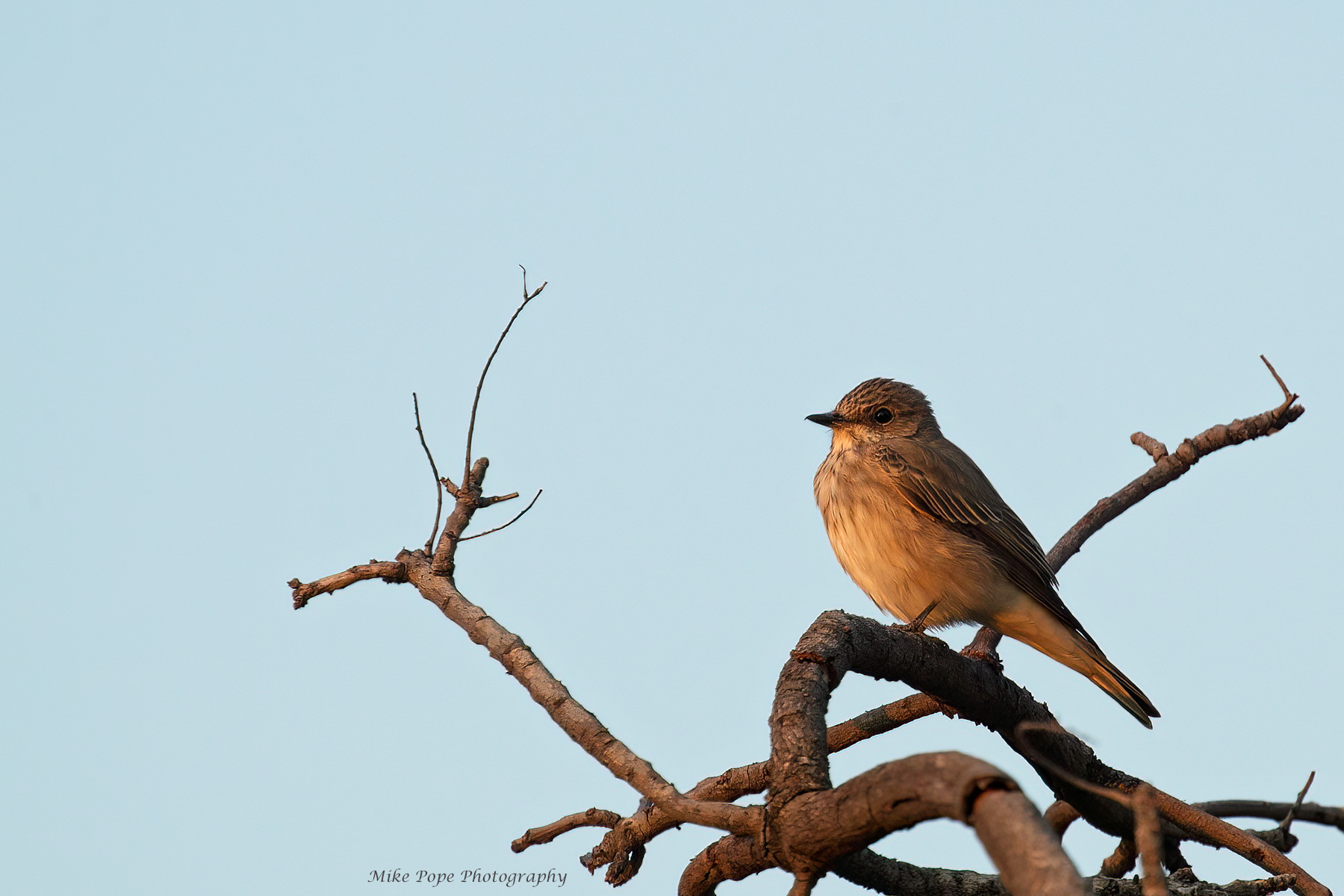
Also quite a few Spotted Flycatchers that are still here, but will be departing north soon
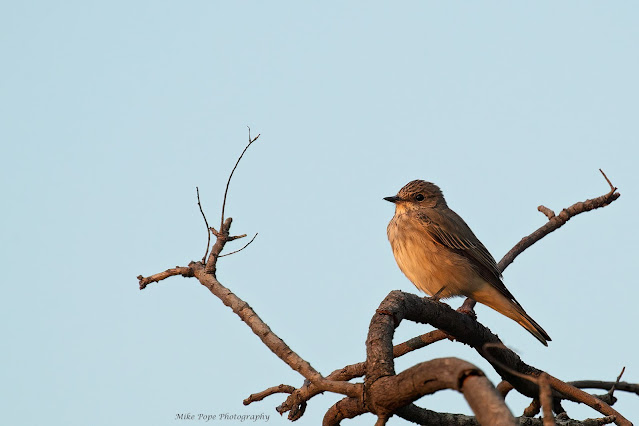 |
| Spotted Flycatcher (Muscicapa striata) |
A Neddicky also visited a few times
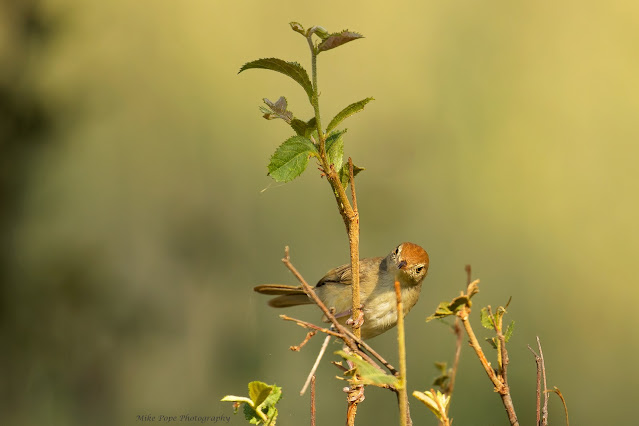 |
| Neddicky (Cisticola fulvicapilla) |
I put a stick in the ground next to our tap and this was used by a good few species. Here a Yellow-fronted Canary before dropping down to drink
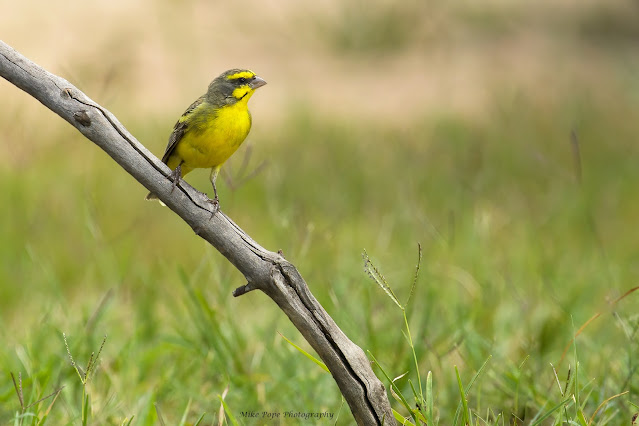 |
| Yellow-fronted Canary (Crithagra mozambica) |
On one afternoon, we had this Wahlberg's Eagle fly by overhead whilst sitting around the fire
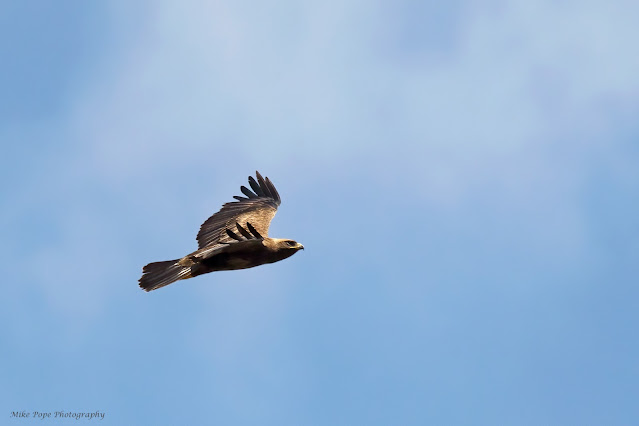 |
| Wahlberg's Eagle (Hieraaetus wahlbergi) |
Walks around the reserve did provide a few other species, but post-breeding, birding activity was relatively quiet. I managed to find the Bushveld Pipit's again and spent quite some time with them
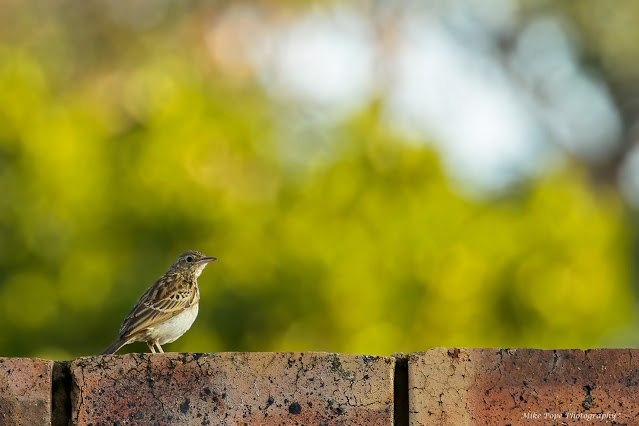 |
| Bushveld Pipit (Anthus caffer) |
Cinnamon-breasted Bunting were seen around some of the paddocks near the main house
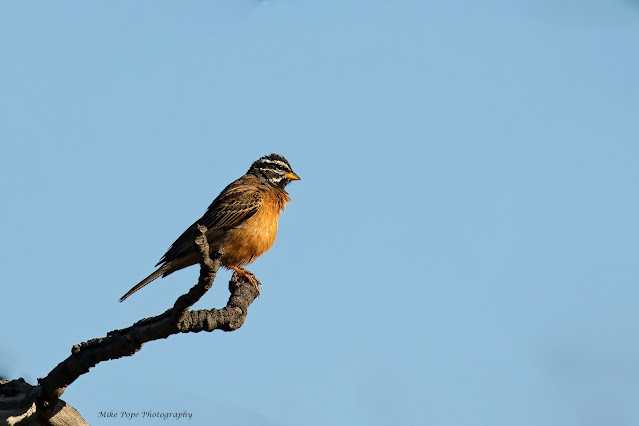 |
| Cinnamon-breasted Bunting (Emberiza tahapisi) |
Chinspot Batis were heard more often than seen
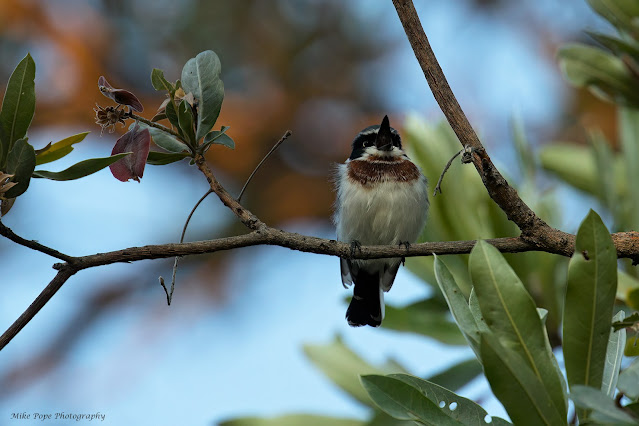 |
| Chinspot Batis (Batis molitor) |
Not so with the Cape Turtle Dove which was seen quite often
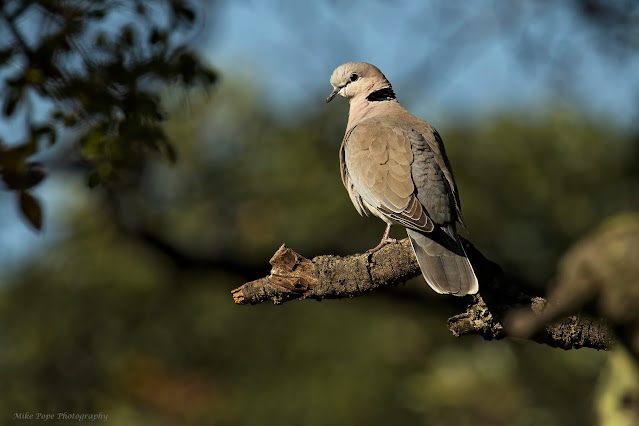 |
| Cape Turtle Dove (Streptopelia capicola) |
Here a size and plumage comparison between Cape Turtle and Red-eyed Dove
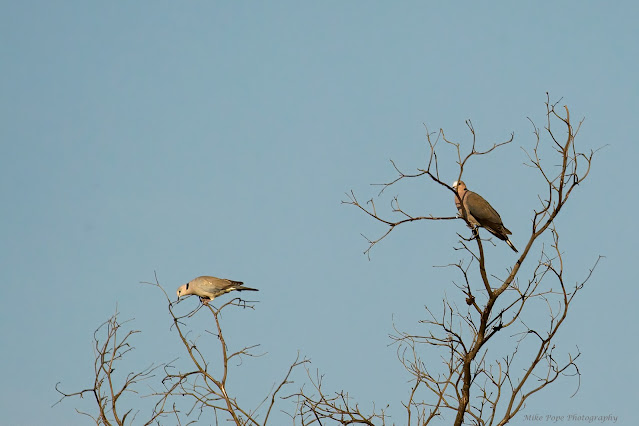 |
| Dove comparison |
I only had one sighting of a very flighty Grey Tit-Flycatcher. I love the autumn colours coming through in the background
 |
| Grey Tit-Flycatcher (Myioparus plumbeus) |
One of the species the owners had told me about was Lizard Buzzard and I managed to find one on my last morning walk together with some prey. Low light and a difficult angle didnt result in the sharpest image, so I was a little disappointed - but still thrilled to see this raptor that I haven't seen in many, many years
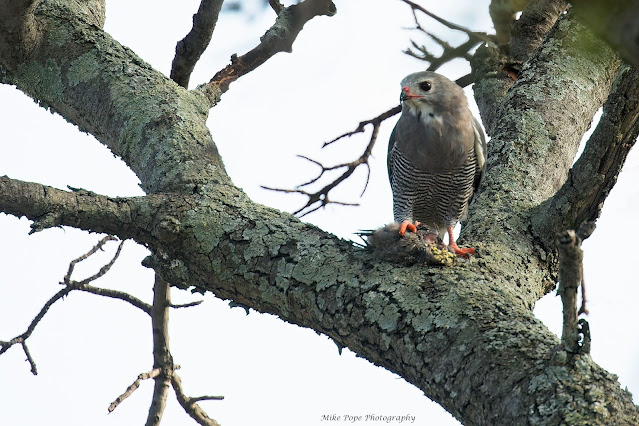 |
| Lizard Buzzard (Kaupifalco monogrammicus) |
The Sable were elusive on this visit, but other antelope were seen, including Zebra - Colour or B+W?
 |
| Burchell's Zebra (Equus quagga burchelli) |
And an inquisitive family of Banded Mongoose - the rest had disappeared into their burrow
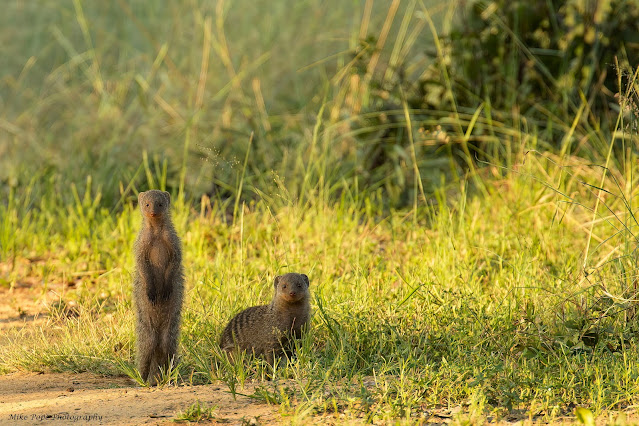 |
| Banded Mongoose (Mungos mungo) |
Many spider webs in the early mornings, some you didnt see and these normally went across your face
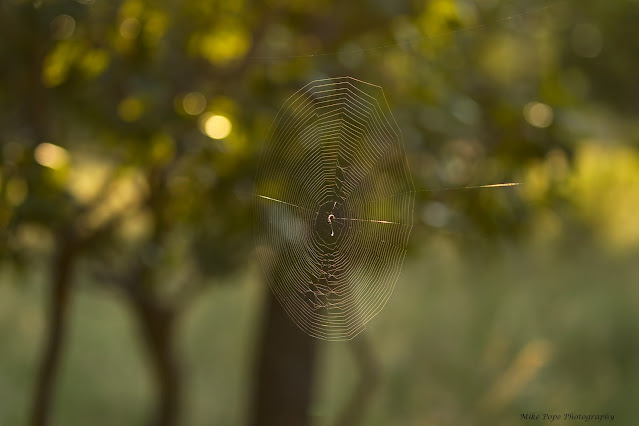 |
| Web |
Luckily, I did see this monster of a Golden Orb Spider and gave it a detour
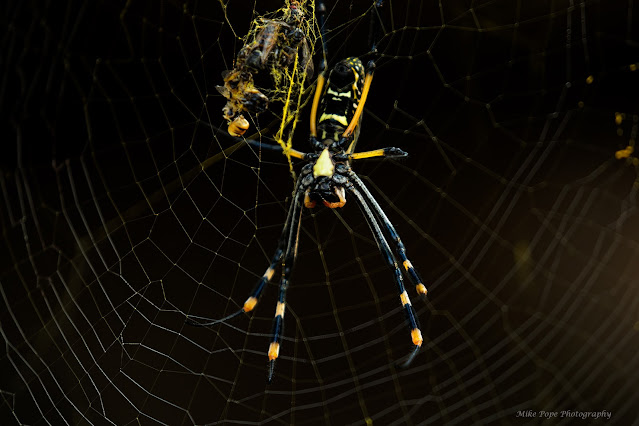 |
| Golden Orb Spider (Nephila senegalensis) |
At one of the small water holes, a Common River Frog checked me out from its hiding place
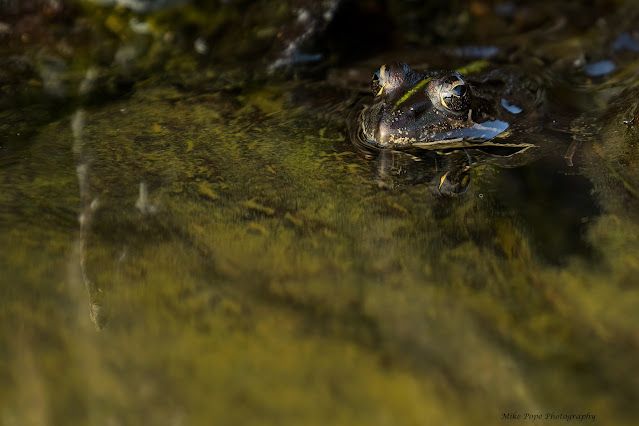 |
| Common River Frog (Amietia angolensis) |
As always I remain curious and also check for butterflies and around camp the Guineafowl was the most common - wings closed and open
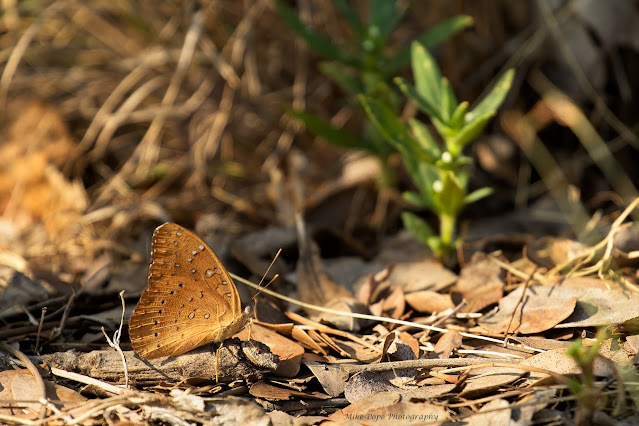 |
| Guineafowl (Hamanumida daedalus) |
Quite a few Eastern Scarlet
 |
| Eastern Scarlet (Axiocerses t. tjoane) |
and the striking Dark-webbed Ringlets
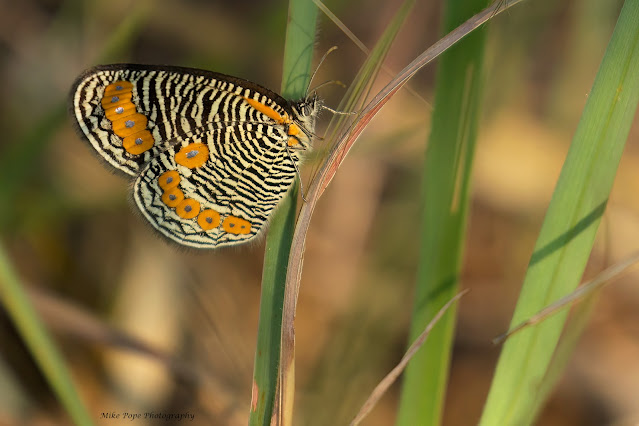 |
| Dark-webbed Ringlet (Physcaeneura panda) |
Painted Lady in the more open areas
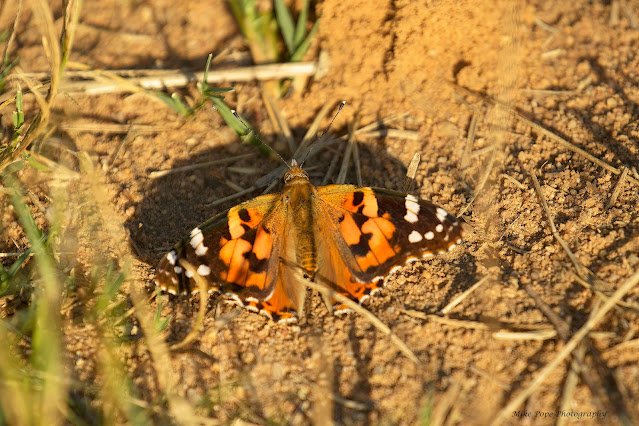 |
| Painted Lady (Vanessa cardui) |
At night the Cream-striped Owl Moth's came out and were still found in and around the ablution block in the early morning
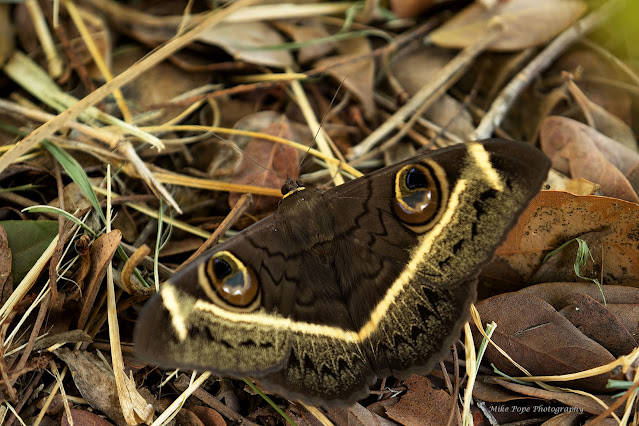 |
| Cream-striped Owl Moth (Cyligramma latona) |
Again, another really enjoyable stay at Matamba which as their catch-line states "Built by Campers, for Campers" - we will be back again!